

Short answer: What devalues a house the most is usually something a buyer can’t easily fix: flood risk, a location issue like busy roads or high-voltage lines, or serious hidden problems such as a leaking oil tank or high radon. Visible wear, like dated finishes and deferred maintenance, mostly hurts you through lower offers and a longer time on the market.
Every buyer in Morris County walks through a house with two lists running in their head: what they’d change, and what they couldn’t live with. The first list costs you some money. The second list costs you buyers. Here’s how the most common value-killers sort out in North Jersey, and what you can do about each one.
Problems Buyers Can’t Fix
Flood risk
Flood exposure is one of the biggest value drags, and in New Jersey buyers now hear about it before they sign. Under a 2023 state law, sellers must answer flood questions on the disclosure form before a buyer is bound by the contract. The questions cover whether the home is in a FEMA flood zone, whether flood insurance is required, past flood damage or water pooling, prior flood insurance claims, and any federal flood assistance. Federal assistance matters because it can require future owners to keep flood insurance.
Research backs up what buyers feel. A July 2026 National Bureau of Economic Research working paper found that homes labeled “extreme” flood risk on listing sites sold for about 3.3% less than homes labeled “severe,” and took about a week longer to sell. Near North Jersey’s rivers, buyers ask about this right away.
Location factors
You can’t move a house, so things like a busy road, a commercial neighbor or overhead high-voltage lines cut the pool of interested buyers. One study published in The Appraisal Journal found that homes next to high-voltage lines sold for about 1.7% to 2.4% less in two Pacific Northwest markets, and the discount was bigger for higher-priced homes. That data is older and isn’t local, but it shows the pattern: these issues don’t make a home unsellable, they shrink demand.
Hidden Problems That Show Up at Inspection
These are the issues that can turn an accepted offer into a renegotiation, or a cancelled deal.
| Issue | Why NJ buyers care | What sellers can do |
|---|---|---|
| Buried heating oil tank | A leak must be reported to NJDEP and cleaned up by a certified professional, and state help can take years. | Sweep the property and test or remove the tank before you list. See our oil tank guide. |
| Radon at or above 4 pCi/L | EPA recommends fixing a home at that level. NJDEP says sellers must give buyers any radon test and mitigation results. | Mitigation typically runs $1,500 to $2,500, per EPA estimates cited by NJDEP. Read radon in Morris County homes. |
| Water in the basement | Seepage or pooled water must also be disclosed under the flood questions. | Fix the gutters and grading, and keep the receipts. |
| Failing septic system | Repairs can be costly, and many buyers ask for a septic inspection. | Consider a pre-listing septic inspection. |
Problems Buyers See in the Photos
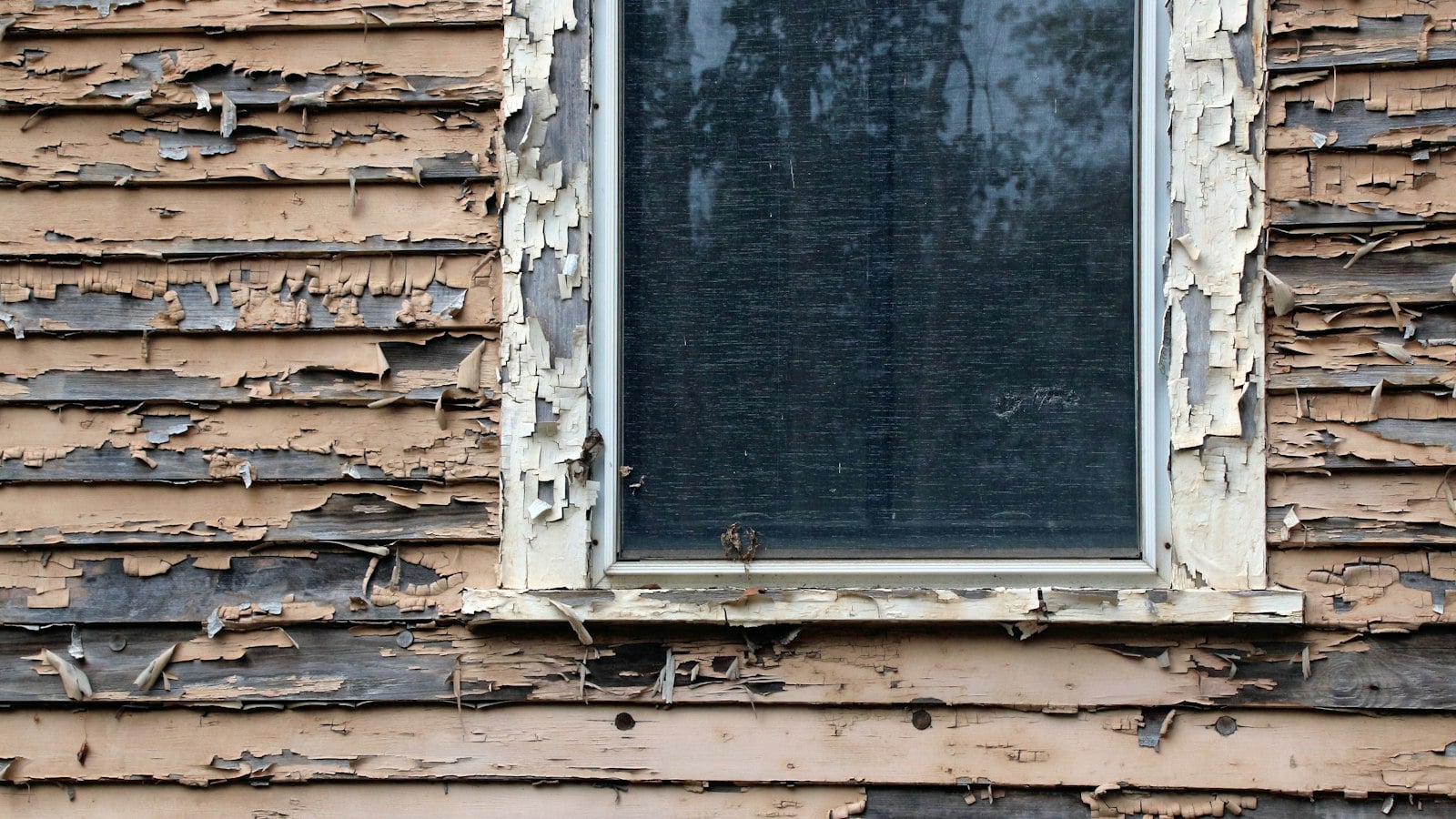
Deferred maintenance doesn’t knock a fixed percentage off a home’s value, but buyers usually overestimate repair costs and offer accordingly. Common examples:
- Peeling paint, rotted trim or worn siding
- An old roof or a furnace at the end of its life
- Stains on ceilings, which make buyers think about leaks
- Dated kitchens and baths. These matter less than you’d think, because many buyers plan to redo them anyway.
- Odors from pets or smoke, which are hard to photograph but easy to notice
Before you renovate, check what the work tends to return. The National Association of REALTORS 2025 Remodeling Impact Report estimated that a new steel front door recovers about 100% of its cost and new vinyl windows about 74%, while a complete kitchen renovation recovers about 60% and a bathroom renovation about 50%. Small, visible fixes usually beat big projects right before a sale. Our list of renovations that raise sale price goes into more detail.
Paperwork That Can Stall a Sale
Some value hits are about delay, not the house itself. Open permits, unpermitted additions and a missing New Jersey smoke cert can all hold up a closing. Every one- or two-family home needs that certificate before it’s sold. Delays cost you carrying costs and, sometimes, a buyer. Our New Jersey smoke cert guide explains the steps.
When to Fix, and When to Sell As-Is
If the problem is cheap and visible, fix it. If it’s expensive and hidden, get it inspected and priced so buyers aren’t guessing. If it can’t be fixed, like the location or the flood zone, price for it from day one. Overpricing a home with a known drawback usually costs more than the drawback itself. If repairs aren’t realistic, read about selling a house as-is in NJ.
FAQ
What hurts a home’s value the most?
Problems buyers can’t fix do the most damage: flood risk, poor location factors and major hidden defects. Cosmetic issues mainly lower offers rather than drive buyers away.
Does being in a flood zone lower home value in NJ?
Often, yes. New Jersey sellers must disclose flood zone status and flood history, and research shows that homes labeled higher flood risk tend to sell for less and take longer to sell.
Do NJ sellers have to disclose radon?
NJDEP says sellers must give buyers the results of any radon testing and mitigation at the time the contract of sale is signed.
Should I renovate my kitchen before selling?
Usually not. NAR’s 2025 report estimates a full kitchen renovation recovers about 60% of its cost. Repairs, paint and curb appeal usually pay back better.
This article is general information, not legal advice. Confirm disclosure obligations with your real estate attorney.
Sources
- NJ Division of Consumer Affairs: Seller’s Property Condition Disclosure Statement (flood questions)
- N.J.S.A. 56:8-19.2 (flood risk disclosure)
- NBER Working Paper 35516: Flood risk information and home prices
- The Appraisal Journal: Price Effects of High-Voltage Lines (PDF)
- NJDEP: Unregulated Heating Oil Tank Program
- NJDEP: Radon and Real Estate
- EPA: Radon Action Level
- NAR 2025 Remodeling Impact Report (PDF)
- N.J.A.C. 5:70-2.3 (smoke alarm, CO alarm and extinguisher certificate)
Talk to the MorrisAgent Team
Not sure which of your home’s issues are worth fixing? We’ll walk through it with you and show you what buyers in your town are paying for. Call (973) 200-4800, email [email protected], or stop by our office at 518 Main Street, Suite 102, Boonton. No pressure, and no surprises.