

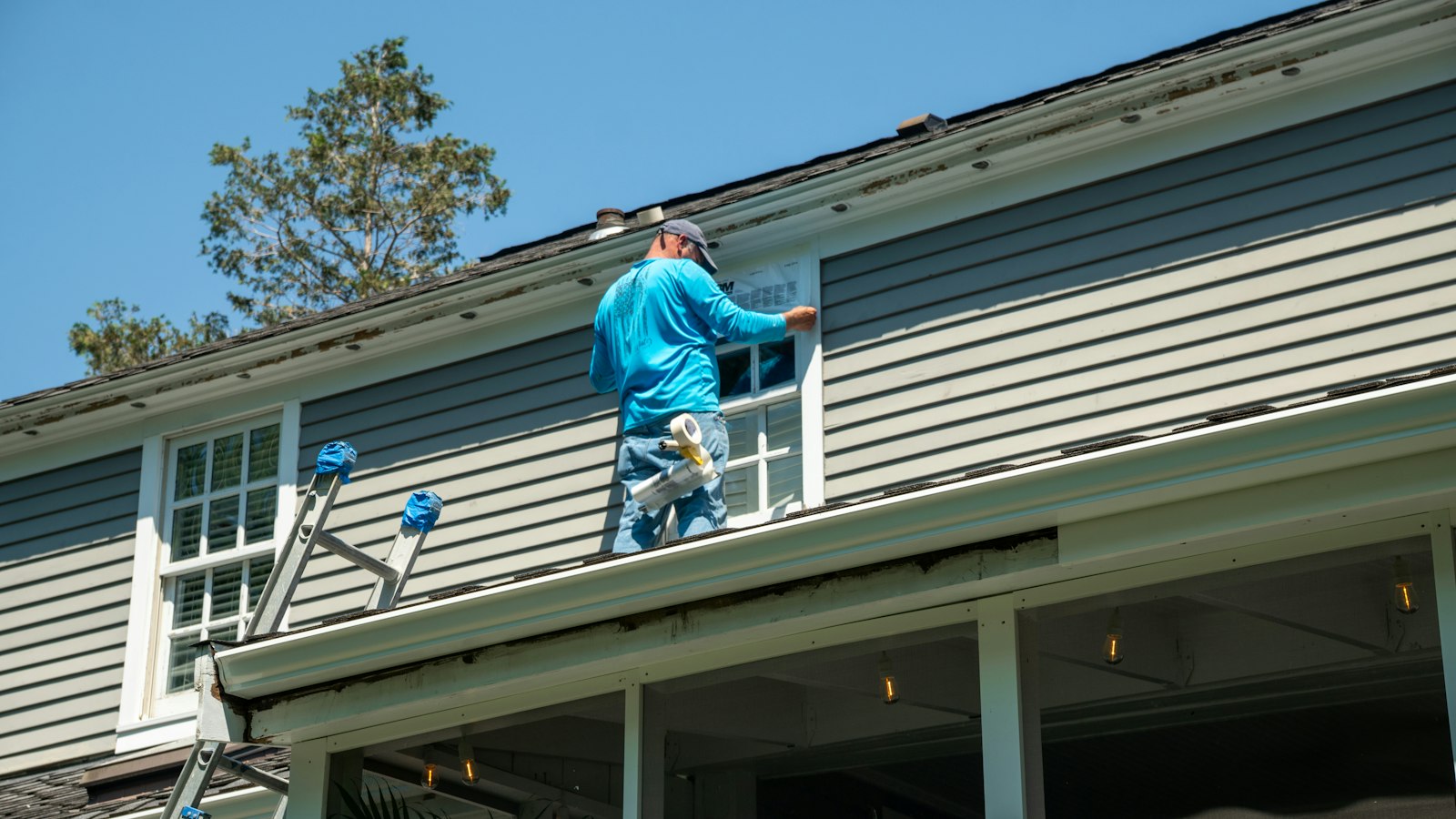
Short answer: A New Jersey home inspection is a visual, non-invasive check by a state-licensed inspector. It covers the structure, roof, exterior, plumbing, electrical, heating, cooling, interior, insulation and fireplaces. It doesn’t cover radon, wells, septic systems, buried oil tanks, mold or termites, so NJ buyers order those as separate tests.
This is general information, not legal advice. Your contract and your attorney control your actual deadlines and rights.
Who Can Do a Home Inspection in NJ?
Home inspectors in New Jersey are licensed through the Home Inspection Advisory Committee, under the State Board of Professional Engineers and Land Surveyors. To get a license, an applicant needs a high school diploma, an approved 180-hour course that includes supervised field inspections, and a passing score on the National Home Inspector Examination. Licensed inspectors must carry at least $500,000 per occurrence in errors and omissions insurance and have a state-issued ID card with them during inspections.
State rules also protect you from conflicts of interest. An inspector can’t do repair work on a home their company inspected, can’t pay or accept referral fees, and can’t share your report without your written approval, except where safety requires it. Before the inspection, you’ll get a written pre-inspection agreement (within one business day of booking) that spells out the price and what is and isn’t included.
What a NJ Home Inspection Covers
New Jersey’s standards of practice (N.J.A.C. 13:40-15.16) list the systems an inspector must check:
| System | What’s inspected |
|---|---|
| Structure | Foundation, floors, walls, ceilings and roof framing |
| Exterior | Siding and other surfaces, doors, windows, attached decks, porches and railings, grading and drainage as they affect the house, walkways, driveways and garage doors |
| Roof | Roof covering, drainage, flashing, skylights and chimneys (the report says how the roof was checked: walked, ladder, binoculars or drone) |
| Plumbing | Water supply and distribution, drain, waste and vent lines, water heater, fuel lines, sumps and sump pumps; any lead piping must be noted |
| Electrical | Service entrance, panels, grounding, a sample of outlets and switches, GFCIs; knob-and-tube or solid aluminum branch wiring must be noted |
| Heating | Heating equipment, vents and chimneys, fuel storage tanks, visible heat exchanger |
| Cooling | Central air and hard-wired through-wall units |
| Interior | Walls, ceilings, floors, stairs, one door and one window per room, range and oven, dishwasher and disposal |
| Insulation and ventilation | Attic and other accessible insulation and ventilation |
| Fireplaces | Fireplaces and solid-fuel appliances (no draft testing) |
The written report has to list every system inspected, explain anything that wasn’t inspected and why, describe material defects and why they matter, and recommend repair, monitoring or a specialist. It won’t give repair costs or methods. Inspectors keep reports for five years.
What It Doesn’t Cover
A home inspection looks at what an inspector can see and operate safely. Under state rules, inspectors are not required to:
- Find concealed or hidden defects, or enter unsafe or very tight spaces
- Judge code compliance, remaining life expectancy or market value
- Test for mold, toxins, or soil, water or air contaminants
- Inspect wells, well pumps or water quality
- Inspect propane or underground fuel storage tanks
- Inspect solar panels, standby generators, fences, storm windows or irrigation
Many inspectors offer extra services if they’re qualified or licensed to do them, such as radon testing, wood-destroying insect inspections, asbestos, lead paint, well water sampling and septic inspections. Expect separate fees.
Add-On Tests NJ Buyers Should Know
Radon
NJDEP and EPA recommend fixing a home if radon tests at 4 picocuries per liter (pCi/L) or higher. In New Jersey, only state-certified companies can test or mitigate for someone else, and sellers must give buyers any past radon results and proof of mitigation when the contract is signed. In NJDEP’s town-by-town radon tiers, every municipality in Sussex and Warren counties is Tier 1, the highest-potential group, and Morris County includes both Tier 1 and Tier 2 towns. High levels turn up in every tier, so test regardless. More in our guide to radon in Morris County homes.
Private well water
New Jersey’s Private Well Testing Act requires a well test before a home with a drinking-water well is sold. A certified lab tests for bacteria, nitrates, iron, manganese, lead, arsenic, volatile organic compounds, PFAS and more, and Morris, Sussex and Warren counties also require uranium testing. Buyer and seller both have to receive the results and sign a certification before closing.
Septic systems
When a septic system is inspected at a sale, state rules (N.J.A.C. 7:9A-12.6) set the inspection method and report timing. Lenders and buyers often require one in towns without public sewer. See our NJ septic inspection guide.
Buried oil tanks
Many older North Jersey homes once heated with oil. NJDEP warns that aging underground tanks can leak and contaminate soil and groundwater, and it directs owners to certified environmental professionals. A tank sweep before you close is cheap compared with a cleanup. Read oil tanks and NJ home sales.
Termites and lead paint
A wood-destroying insect inspection is usually ordered alongside the home inspection. For homes built before 1978, federal law requires the seller to disclose known lead-based paint and give you a 10-day opportunity to test, which you can change or waive in writing.
How Inspection Timing Works in a NJ Contract
In New Jersey, a sales contract prepared by a real estate licensee first goes through a three-business-day attorney review period. The inspection period usually starts after that. In the NJ REALTORS standard contract form, the default window for the home inspection and wood-destroying insect inspection is 14 calendar days after attorney review ends, though the parties can change it. Book your inspector as soon as you’re under contract.
Smoke detectors and carbon monoxide alarms are handled separately. The seller has to get a New Jersey smoke cert from the town before closing. Our New Jersey smoke cert guide explains how it works.
Frequently Asked Questions
Is a home inspection required in NJ?
No law requires buyers to get one, but most purchase contracts include an inspection contingency, and skipping it means giving up an important protection. A well test is required by law when a home has a private drinking-water well.
Does a NJ home inspection include radon?
No. Radon testing is a separate service that must be done by a NJDEP-certified tester. Many home inspectors offer it as an add-on.
How long do you have for a home inspection in NJ?
Under the NJ REALTORS standard form, the default is 14 calendar days after the three-business-day attorney review ends, but your contract can set a different period.
Do NJ home inspectors check for oil tanks?
Not underground tanks. State standards exclude them, so buyers order a separate tank sweep for older homes.
Sources
- N.J.A.C. 13:40-15.16: Home Inspection Standards of Practice
- N.J.A.C. 13:40-15.2: Definitions
- N.J.A.C. 13:40-15.6: Licensing Requirements and 15.8: Insurance
- N.J.A.C. 13:40-15.15: Pre-Inspection Agreement, 15.19: Prohibited Acts and 15.21: Additional Services
- NJ Division of Consumer Affairs: Home Inspection Advisory Committee FAQ
- NJDEP: Radon Information and Radon Tier Assignment Report
- N.J.A.C. 7:9E-2.1: Private Well Testing Parameters
- N.J.A.C. 7:9A-12.6: Septic Inspections at Property Transfer
- EPA: Real Estate Disclosures About Lead Hazards
- N.J.A.C. 11:5-6.2: Attorney Review Clause
- NJ REALTORS: Timeline for the Sales Contract
Talk to the MorrisAgent Team
Call (973) 200-4800, email [email protected], or stop by our office at 518 Main Street, Suite 102, Boonton. No pressure, and no surprises.