

Short answer: Before you sell a house in New Jersey, don’t hide known defects, don’t leave the smoke certificate or open permits until the last week, don’t pour money into a big remodel, don’t skip basic prep and staging, don’t cancel insurance early, and don’t overprice. Each mistake costs time, money or leverage once a buyer is under contract.
Most pre-sale advice is about what to do. The mistakes sellers make in the weeks before listing do more damage, because they show up later as a failed inspection, a delayed closing or a price cut. Here is what to avoid in New Jersey, and why.
1. Don’t hide or downplay known defects
New Jersey now spells out what sellers must disclose. Under P.L.2024, c.32, which took effect August 1, 2024, residential sellers complete the state’s Seller’s Property Condition Disclosure Statement. The Division of Consumer Affairs says questions 1 through 108 are mandatory for all residential sellers. A separate flood-risk law, P.L.2023, c.93, added questions about whether the property sits in a FEMA flood hazard area, whether it has had flood damage, and whether flood insurance is required.
Leaving a known leak, a past flood or an old oil tank off the form does not make it go away. Buyers’ inspectors usually find it, and then you are negotiating from a weaker position, or worse, facing a claim after closing. Disclose what you know and let the price reflect it. If an old tank is part of the story, our guide to oil tanks and NJ home sales explains the options.
2. Don’t wait until closing week for the smoke certificate
Almost every New Jersey resale needs a New Jersey smoke cert before the new owner moves in. The fire official checks for smoke alarms on each level and outside sleeping areas, a carbon monoxide alarm where required, and a properly mounted, tagged 2A:10B:C portable fire extinguisher near the kitchen. Battery-only smoke alarms generally must be 10-year sealed units.
Timing changes the price. Under the state fee schedule, a request made more than 10 business days before the change of occupant costs $45, 4 to 10 business days costs $90, and fewer than 4 business days costs $161. Towns with their own fire officials can set their own fees, so check locally. Our New Jersey smoke cert guide walks through the inspection.
3. Don’t ignore open or missing permits
Under the state Uniform Construction Code, structural, plumbing, electrical and mechanical work generally needs a permit, and permitted work ends with a certificate of approval or certificate of occupancy. Ordinary repairs and maintenance are exempt. The state has noted that unpermitted work often surfaces during resale inspections. A finished basement or deck with an open permit can stall a closing while you track down the original contractor. Pull your permit history from the town early. Our post on selling a house with open permits in NJ covers how to close them out.
4. Don’t start a major remodel to “add value”
Big projects rarely pay for themselves at sale time. The 2025 Cost vs. Value report from the Journal of Light Construction shows how wide the gap is nationally:
| Project (2025, national) | Share of cost recouped at resale |
|---|---|
| Garage door replacement | 267.7% |
| Steel entry door replacement | 216.4% |
| Minor kitchen remodel (midrange) | 112.9% |
| Bathroom remodel (midrange) | 80.0% |
| Major kitchen remodel (midrange) | 50.9% |
| Major kitchen remodel (upscale) | 35.7% |
The pattern is clear: small, visible updates beat gut renovations. Fix what is broken, freshen what buyers see first, and skip the new kitchen. For the issues that cost the most, see what devalues a house the most.
5. Don’t skip prep and staging
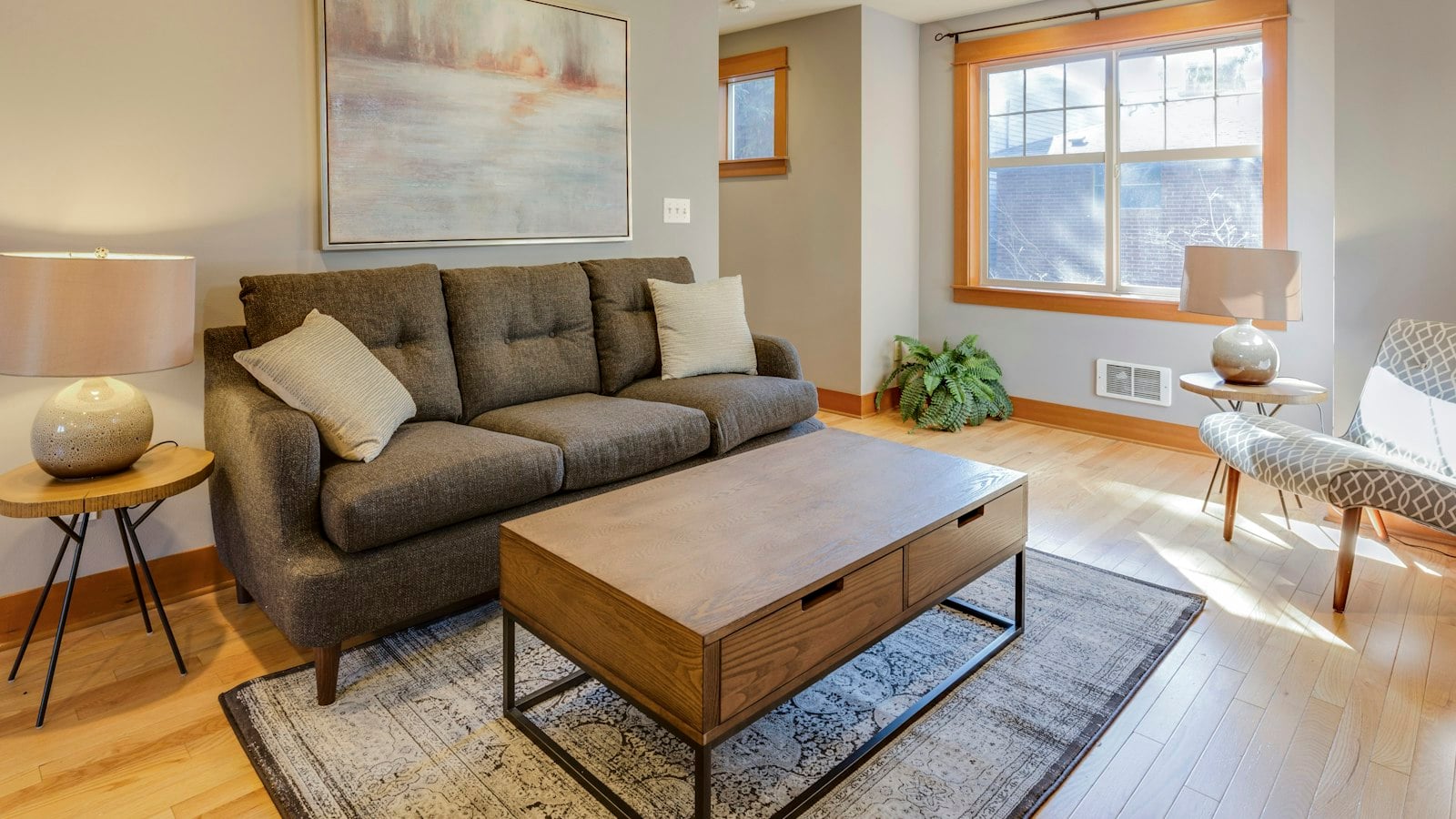
Buyers decide in the first few photos. In NAR’s 2025 Profile of Home Staging, 83 percent of buyers’ agents said staging made it easier for buyers to picture the property as their future home, 49 percent of sellers’ agents said staging reduced time on the market, and 29 percent of sellers’ agents reported a 1 to 10 percent increase in the dollar value offered. The living room was rated the most important room to stage. Decluttering, a deep clean and neutral paint cost far less than a price reduction.
6. Don’t cancel insurance, shut off utilities or remove fixtures early
Keep your homeowners policy active until the deed transfers. New Jersey’s Department of Banking and Insurance notes there is no grace period on homeowners premiums, and a lapse leaves you exposed if a pipe bursts after you move out. Keep heat and power on for inspections, the appraisal and the final walk-through, especially in winter. And don’t take down a chandelier or mounted TV you plan to keep without spelling it out in the contract, because buyers usually expect attached fixtures to stay.
7. Don’t overprice “to leave room to negotiate”
The Morris County market still rewards accurate pricing. NJ REALTORS data for October 2026 shows single-family sellers received 102.9 percent of list price, down from 103.6 percent a year earlier, while inventory rose 18.7 percent to 704 homes, or 2.3 months of supply. With more homes to compare, an overpriced listing sits while buyers move on to fairly priced ones. Getting the price right on day one usually produces the best result. If you are planning a spring sale, our guide to preparing to sell in 2027 lays out a timeline.
This article is general information, not legal or tax advice. Confirm disclosure, permit and certificate requirements with your attorney and your town before you list.
Frequently asked questions
What should you not fix when selling a house in NJ?
Major remodels, such as a full kitchen or bath renovation, usually return far less than they cost. Focus on repairs that would show up on an inspection and on low-cost visible updates such as paint, a new garage or entry door, and minor kitchen refreshes.
Do you have to disclose problems when selling a house in NJ?
Yes. Since August 1, 2024, residential sellers complete New Jersey’s Seller’s Property Condition Disclosure Statement, including flood-risk questions about FEMA flood zones, past flood damage and required flood insurance.
When should I apply for a smoke certificate in NJ?
Apply early. Under the state fee schedule, a request made more than 10 business days before the change of occupant costs $45, while one made fewer than 4 business days before costs $161. Some towns set their own fees.
Should I cancel my homeowners insurance before closing?
No. Keep the policy active until the deed transfers at closing. New Jersey has no grace period on homeowners premiums, so a lapse could leave you uncovered if something goes wrong before the sale is final.
Sources
- P.L.2024, c.32 (property condition disclosure)
- NJ Division of Consumer Affairs: Seller’s Property Condition Disclosure Statement instructions
- NJ Attorney General: flood risk disclosure requirements
- N.J.A.C. 5:70-2.9 (smoke and CO certificate fees) and N.J.A.C. 5:70-4.19
- NJ DCA: 10-year sealed battery smoke alarm requirement
- NJ DCA: Uniform Construction Code general information and Bulletin 06-1
- Journal of Light Construction: Cost vs. Value 2025, national data
- NAR: 2025 Profile of Home Staging
- NJ Department of Banking and Insurance: homeowners insurance basics
- NJ REALTORS: Morris County Local Market Update, October 2026
Talk to the MorrisAgent Team
Getting ready to sell? We can walk through your home, flag what matters to buyers and what doesn’t, and help you avoid the expensive surprises. Our team has sold homes for up to $130,000 over asking. Call (973) 200-4800, email [email protected], or stop by our office at 518 Main Street, Suite 102, Boonton. No pressure, and no surprises.